
Early Socratic dialogues: Charmides
Is virtue a kind of knowledge?
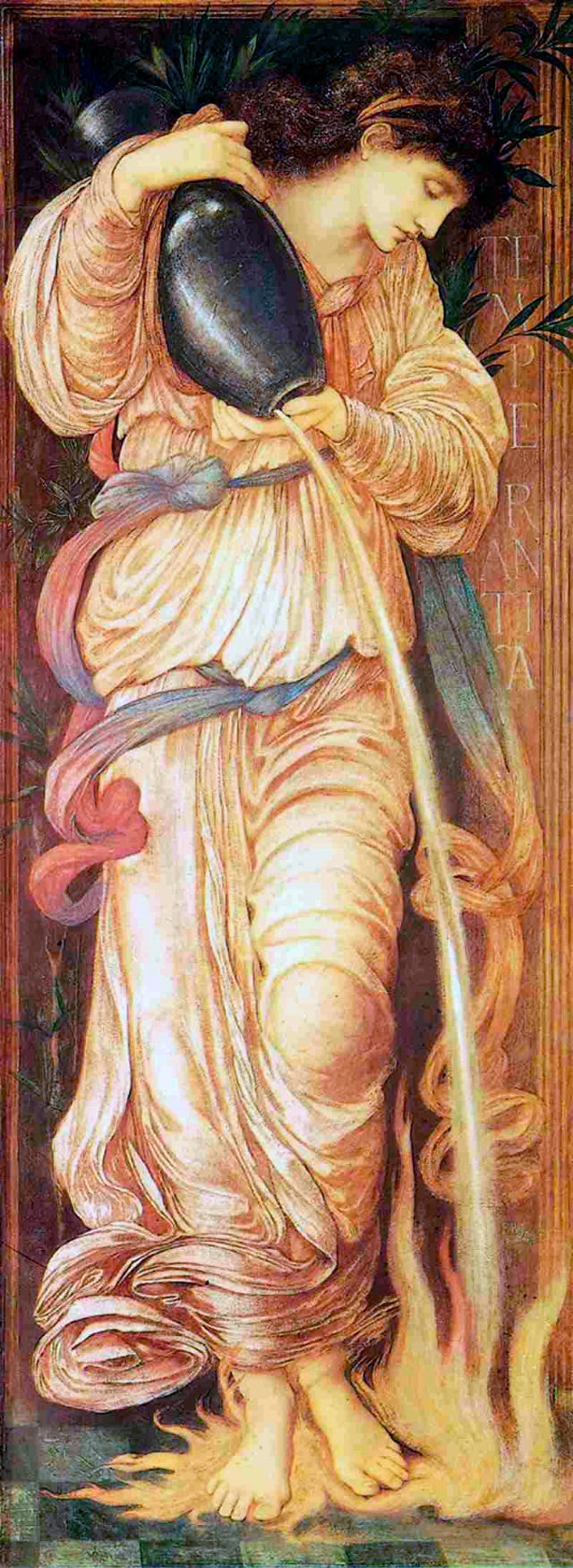
Consider three virtues recognized by both Plato and the Stoics: practical wisdom (phronesis in Greek), courage (andreia), and justice (dikaiosyne). Is there anything missing? Of course there is! In Republic 427e Plato mentions a fourth “cardinal” virtue, using the Greek term sophrosyne. The problem is, there is no clear English translation of the latter one, and for good reasons, as we discover by reading one of the most successful, philosophically speaking, of the Platonic dialogues: the Charmides.
Indeed, the various translations of sophrosyne are themselves philosophically revealing: the virtue is variously rendered in the literature as “self-control,” “modesty,” or “temperance,” all of which flatten something richer — what the dialogue will eventually cash out as self-knowledge. The central question of the Charmides actually is: what does it mean to know yourself, as we are instructed to do by the Oracle at Delphi, and could such knowledge be genuinely useful?
The setting of the Charmides is stark: Socrates, fresh back from the battle of Potidaea, encounters two well-born young men — Charmides and his older cousin Critias.
Socrates served as a hoplite (heavy infantryman) at the battle, which took place in 432 BCE, during the early phase of the Peloponnesian War. According to Plato’s Symposium, Socrates displayed remarkable resilience during a harsh winter campaign, enduring cold and hunger better than his fellow soldiers. Indeed, Alcibiades recounts an incident where Socrates stood motionless in deep thought for hours, drawing a crowd of curious onlookers. Moreover, during a retreat, Socrates reportedly protected the wounded Alcibiades, refusing to take credit for saving him afterward, a conduct that earned him recognition for courage and discipline.
Charmides and Critias, though, are altogether different characters in the story. Charmides was a young, handsome nobleman and uncle of Plato. He was known for his physical beauty and initial reputation for modesty. Historically, he became a leading member of the Thirty Tyrants after the fall of Athens in 404 BCE and died the following year during the civil war between the oligarchs and the democratic exiles returning from Piraeus (Athens’ port). He was killed at the Battle of Munychia against the democrats.
